
The Flood Elevation Grant: How Sonoma County Pays 75% to Raise Your House
Most people living in the Russian River floodplain have never heard of the Flood Elevation Mitigation Program. That is a shame, because it is one of the most unusual county programs in California: a grant that pays up to 75% of the cost of physically raising your house above the flood level.
We wrote this because our neighbors keep being surprised by it. Here is how it works.

The basics
The program is run by the Sonoma County Community Development Commission, and it does exactly what the name says: it funds lifting flood-prone homes above the 100-year flood level.
The grant covers up to 75% of the cost. It is a grant, not a loan.
The homeowner covers the remaining 25%, and that share has to be in hand before construction starts.
The money comes from FEMA's Hazard Mitigation Assistance programs, and the county pays your contractor directly, after the County building inspection department approves the work.
Sonoma County has been doing this longer and at bigger scale than anywhere else in the West. The CDC has elevated more than 200 residential structures, the most of any jurisdiction in the western United States. The Governor's Office of Emergency Services estimates the program saves more than four dollars in avoided flood losses for every dollar spent on it.
Who qualifies
Any residential structure in Sonoma County that has experienced flood damage may be eligible. You do not have to navigate the process alone: Commission staff help property owners develop plans, obtain permits, receive bids from pre-screened contractors, and manage the construction process.
In practical terms the county handles the program side and bids the job to a list of Commission-approved contractors. Your job is to decide raising the house makes sense, and to fund your 25%.
What raising a house actually looks like
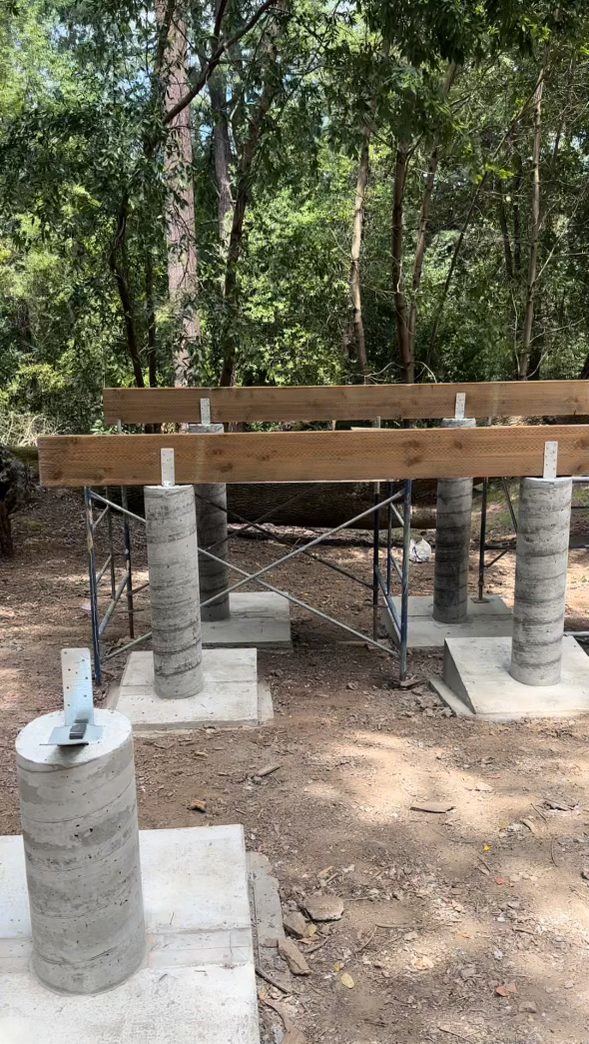
People picture a house lift as chaos. In reality it is a well-understood sequence, and the county's own program documents describe it in four phases:
A qualified house lifter raises the structure above the flood level.
A new perimeter concrete foundation goes in, as needed.
New supporting walls are built, and the structure is lowered back down and reattached.
Stairs, landings, finish trim, and paint finish the job.
From the street, a properly elevated home just looks like a house with taller stairs and a raised foundation. From a flood's perspective, everything that matters is now above the Base Flood Elevation.

Why owners do it
The obvious reason is the next big flood: the 2019 Russian River flood put hundreds of homes underwater, and the river has done it before and will do it again. But there are quieter reasons too. Elevated homes stop taking on water in the moderate floods that hit every few years. Living space, mechanical systems, and electrical panels all end up above the flood level, which is also exactly what the county's building rules require if you ever do a major remodel (we laid those rules out in our post on building in the Russian River flood zone).
And the insurance math changes. FEMA's own flood insurance guidance says elevating a home is the fastest way to cut flood insurance costs: owners in high-risk flood areas save hundreds of dollars a year for every foot their building sits above the Base Flood Elevation, and one foot above often means roughly a 30% cut to the annual premium. On a river property, that is real money every single year.
How to find out if you qualify
The county's program contact is Marc Chandler at the Community Development Commission: (707) 565-7524 or marc.chandler@sonomacounty.gov. One phone call starts the eligibility conversation.
If you are weighing whether elevation makes sense for your property before you call the county, we can walk it with you. We are a general contractor based in Guerneville, and flood-zone work is not a specialty we dabble in, it is the ground we build on. Call us at (707) 791-6933.
Comments